
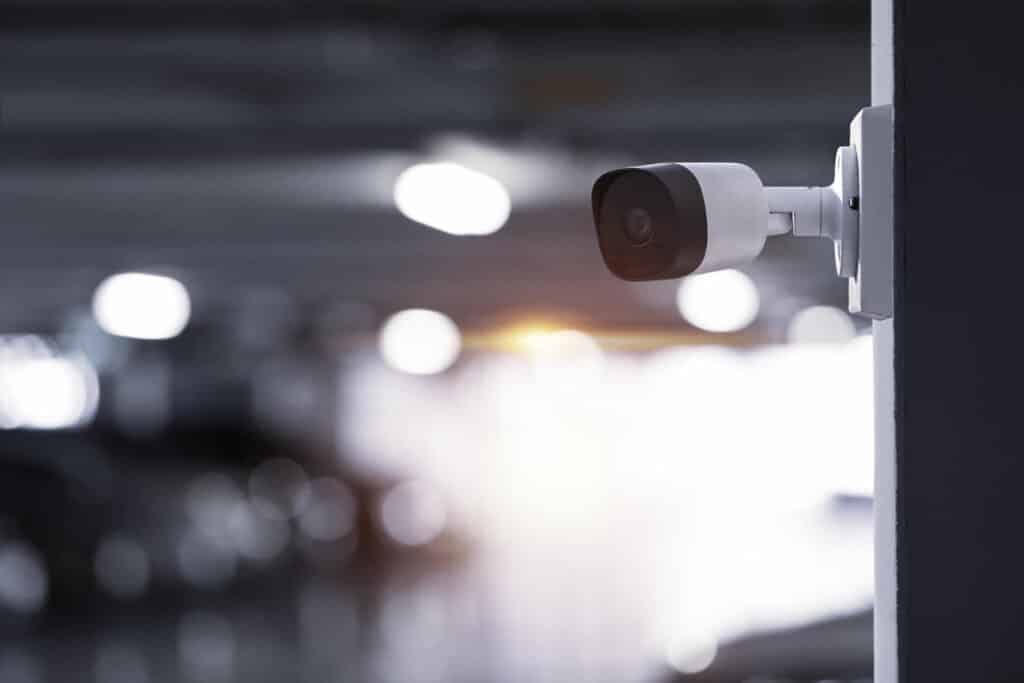
CCTV can sometimes see inside a car at night, but it depends on the camera, the lighting, the angle, the glass, the distance and what you mean by “see inside”. A camera may show that someone approached the vehicle, looked through the window or opened a door, yet still fail to capture clear detail of the interior. Another camera may pick up movement inside the front seats but struggle with faces, hands, bags or small items because reflections from the glass hide the view.
This is a common concern for homeowners with cars on a driveway, tradespeople with tools in vans, landlords with parking areas, and businesses with staff or visitor vehicles outside. The question matters because vehicle-related CCTV is often installed after something has already happened: someone has tried door handles, stolen from a van, damaged a car, or behaved suspiciously near a parking space. The goal should be realistic coverage, not a promise that one camera can see everything through glass in the dark.
Why car windows make night CCTV difficult
Car glass causes problems for CCTV because it reflects light, reduces contrast and creates a barrier between the camera and the subject. At night, the problem becomes stronger. A camera outside the car is trying to capture detail through a reflective surface while also dealing with darkness, headlights, street lights, security lights and infrared illumination. The result can vary from a fairly usable view to a bright reflection that hides almost everything inside the vehicle.
Windscreens and side windows behave differently too. A windscreen is angled and often reflects the sky, house lights or the camera’s own infrared light. Side windows may be darker because of tinting or interior shadows. Rear windows can be heated, tinted or angled in a way that adds more distortion. Even a good camera can struggle if it is placed in the wrong position, because the glass may reflect the camera’s light straight back into the lens.
Infrared night vision can help and hinder
Most CCTV cameras use infrared light for night vision. This allows the camera to produce a black-and-white image in darkness, which is helpful for driveways, gates and paths. However, infrared light can bounce off car glass. When that happens, the camera may show a white glare or a washed-out reflection instead of the interior. The closer and more direct the camera is to the window, the worse this can become.
This does not mean infrared is bad. It simply needs to be used with the right camera position and expectations. A camera looking across the driveway at a slight angle may capture the side of a person, the direction of movement and the door being opened. A camera aimed straight at a windscreen may be less useful because the reflection dominates the image. Sometimes the best evidence is not what is inside the car, but who approached it, when they arrived, what they touched and where they went afterwards.
External lighting often matters more than camera resolution
People often assume a higher-resolution camera will solve the problem. Resolution helps when the image is clear, but it cannot magically remove glare, heavy tinting or poor angles. A 4K camera looking into reflected infrared may still record a bright patch of glass. A lower-resolution camera with better lighting and placement may capture more useful evidence of someone approaching the vehicle.
Good external lighting can improve vehicle CCTV because it reduces the camera’s reliance on infrared. A well-positioned security light may allow the camera to record in colour, capture clothing detail and show movement around the car more naturally. The lighting must be aimed carefully, though. A harsh light pointed straight at the camera can cause glare. A light that reflects off the windscreen can also make the view worse. The best setup usually combines sensible lighting, camera angle and coverage of the route someone would take to reach the vehicle.
Camera angle is the biggest practical factor
The angle of the camera often decides whether the footage is useful. A camera mounted high above a doorway may cover the whole driveway but miss detail near the car windows. A camera mounted too low may be easy to tamper with or may only capture partial views. A camera facing straight into the car may suffer from reflection, while one set at an angle may better capture the person beside the vehicle and the door movement.
For driveway CCTV, it is usually better to think in layers. One camera may watch the approach from the street or gate. Another may cover the vehicle position. A third, where justified, may focus on a side passage or garage entrance. The aim is to capture the sequence of behaviour rather than rely on one perfect image through a window. If someone enters the vehicle, the footage of their approach, clothing, body shape, direction and escape route may be more valuable than a poor attempt to see what happened inside the cabin.
Tinted windows and dirty glass reduce interior detail
Tinted glass makes night-time interior visibility harder because less light passes through the window. Factory privacy glass, aftermarket tint film, rain, condensation, dirt and frost can all reduce what the camera sees. Even if a camera can see through the front side window on a clear night, it may struggle through a rear privacy window or a wet windscreen. The same system can perform differently depending on the vehicle and the weather.
This matters for vans as well as cars. Many work vans have limited rear glazing or darkened side windows, so CCTV may not show tools or contents inside. In that situation, the better security strategy is usually to monitor the van’s exterior, doors, loading area and approach route. A camera may not prove exactly what was touched inside the van, but it can show when someone tried the handles, opened a door, forced a lock or moved around the vehicle.
What CCTV can realistically capture around a car at night
A well-positioned CCTV system can often capture the important parts of a vehicle incident even if the interior is not clear. It may show a person entering the driveway, checking door handles, leaning into a window, opening the boot, standing by the driver’s door or returning with items. It may also capture vehicles arriving, headlights, registration plates in some conditions, clothing colours where lighting allows, and the direction of travel.
There are limits. Number plates can be difficult at night because headlights and reflective plates can cause overexposure. Faces can be hard to capture if the person wears a hood, looks down, moves quickly or stays outside the best-lit area. Interior detail can be blocked by glass reflection. A professional installation should be honest about these limits and design the system to maximise useful evidence rather than promise unrealistic “see everything” coverage.
Camera placement ideas for driveways
For a typical driveway, the first camera should often cover the route into the property rather than only the car itself. If someone enters from the pavement, side gate or shared drive, that approach shot gives context. A second view can then cover the vehicle area, ideally from a position that avoids direct reflection from the windscreen. Mounting under the eaves, near a porch or on a side wall can work well depending on the layout.
- Avoid aiming the camera straight into reflective glass where possible.
- Use lighting to support the camera without shining directly into the lens.
- Cover the route to the vehicle, not just the vehicle itself.
- Check the view at night, not only during daylight installation.
- Use privacy-conscious angles if neighbouring drives or windows are nearby.
The night-time test is essential. A camera view that looks excellent at 2pm can be poor at 10pm once infrared, security lights and reflections come into play. Reviewing sample footage after dark is the only reliable way to know whether the position works.
Why recording inside the car is a different issue
If the real aim is to record the inside of the vehicle, an external home CCTV camera may not be the best tool. A dash cam with parking mode, an internal vehicle camera or a dedicated vehicle security product may capture interior activity more directly. Those devices have their own power, privacy and installation considerations, but they are designed for the vehicle environment rather than trying to see through glass from a house wall.
That said, vehicle cameras and home CCTV can complement each other. A dash cam may record inside or around the car, while house CCTV records the wider scene, including approach routes and the person leaving. For vans, tool theft and driveway tampering, the strongest evidence often comes from combining layers rather than expecting one camera to cover every detail perfectly.
When colour night vision may help
Some cameras advertise colour night vision, low-light colour or spotlight-assisted recording. These features can help when there is enough ambient light or when the camera has a built-in white light. Colour can be useful because it may show clothing, vehicle paint, bags or objects more clearly than black-and-white infrared footage. However, colour night vision still depends on lighting and placement.
A spotlight camera may create better exterior footage around the vehicle, but it will not always solve the problem of seeing inside. It may reflect off glass or make the person turn away. In some cases, the deterrent effect of a visible light is valuable in itself. If the goal is to prevent someone hanging around the vehicle, a triggered light and clear camera coverage may be more useful than a hidden camera trying to peer through the window.
How businesses should protect vehicle areas
Businesses with parking spaces, vans, stock vehicles or loading bays should think beyond a single camera. A commercial vehicle area may need wider overview coverage, focused entrance coverage, lighting, signage and camera positions that capture movement between the building and the vehicles. If vehicles are parked overnight, the system should also be checked in the actual night-time conditions, not only when the site is busy and lit.
For yards and business premises, the layout often changes. Vans move, temporary storage appears, shutters open, and staff park in different spaces. CCTV should be positioned to cope with that variation. A camera placed only for one vehicle bay may become less useful when the vehicle parks somewhere else. Wider planning around lighting, gates, alarms and networking will usually give better protection than trying to force one camera to see inside every vehicle.
What to ask before installing CCTV for car security
Before installing cameras, decide what evidence you actually need. Do you want to know if someone enters the driveway? Do you want to see the car doors? Do you want alerts when someone approaches at night? Do you need coverage of a van side door, garage, gate or shared parking area? These answers affect camera type, lens choice, mounting height, lighting and whether you need wired recording rather than a simple WiFi camera.
It also helps to think about the most likely incident. Someone trying handles for a few seconds needs different coverage from someone spending several minutes at a van door. A neighbour dispute, keyless car concern, vandalism risk or tool theft problem will each lead to a different setup. A good installation should work backwards from the risk, then choose the cameras and positions that give the most useful footage.
FAQs
Can CCTV see through car windows at night?
CCTV can sometimes see through car windows at night, but the view is often limited by reflections, tinting, infrared glare and poor lighting. The camera may show movement or someone leaning into the vehicle, but small details inside the cabin can be difficult to capture.
A better aim is usually to record the person approaching the car, touching the doors and leaving the area. That evidence is often more reliable than trying to capture a clear interior view through reflective glass in dark conditions.
Why does my CCTV show glare on my car windscreen?
Glare usually happens because infrared light, security lighting or another light source is reflecting off the glass and back into the camera lens. Windscreens are angled and reflective, so they can create bright patches that hide the interior and reduce useful detail.
Changing the camera angle, adjusting external lighting or moving the camera slightly can make a major difference. It is best to test the view after dark because the daytime image may look fine even though the night footage is affected by reflection.
Is a higher-resolution camera better for seeing inside a car?
Higher resolution can help when the camera already has a clear view, but it does not solve every problem. If the image is blocked by glare, tinting, rain or darkness, a sharper camera may simply record a sharper reflection rather than useful interior detail.
Camera position, lighting and lens choice often matter more than resolution alone. For vehicle security, it is usually better to design the system around approach routes, doors and movement than rely only on a high-megapixel camera aimed at glass.
Can CCTV record someone breaking into a van at night?
A well-planned CCTV system can often record someone approaching a van, trying doors, forcing a lock or removing items, especially if the van is parked in a covered and well-lit area. The quality will depend on camera placement, distance, lighting and the person’s behaviour.
It may not always show clear detail inside the van, particularly if the side door blocks the view or the windows are darkened. For tradespeople, the strongest setup often covers the van doors, the driveway entrance and the route someone would use to leave.
Should I use a dash cam as well as home CCTV?
A dash cam with parking mode can be useful because it records from inside the vehicle rather than trying to see through glass from outside. It may capture movement, impact or activity close to the car, depending on its features and power setup.
Home CCTV still has value because it records the wider scene around the driveway, gate, pavement or parking area. Used together, the two systems can provide better context than either one alone, especially where vehicle security is a recurring concern.
Cctv Systems Keighley – Wifi Services Knaresborough – Cctv Systems Barnoldswick