
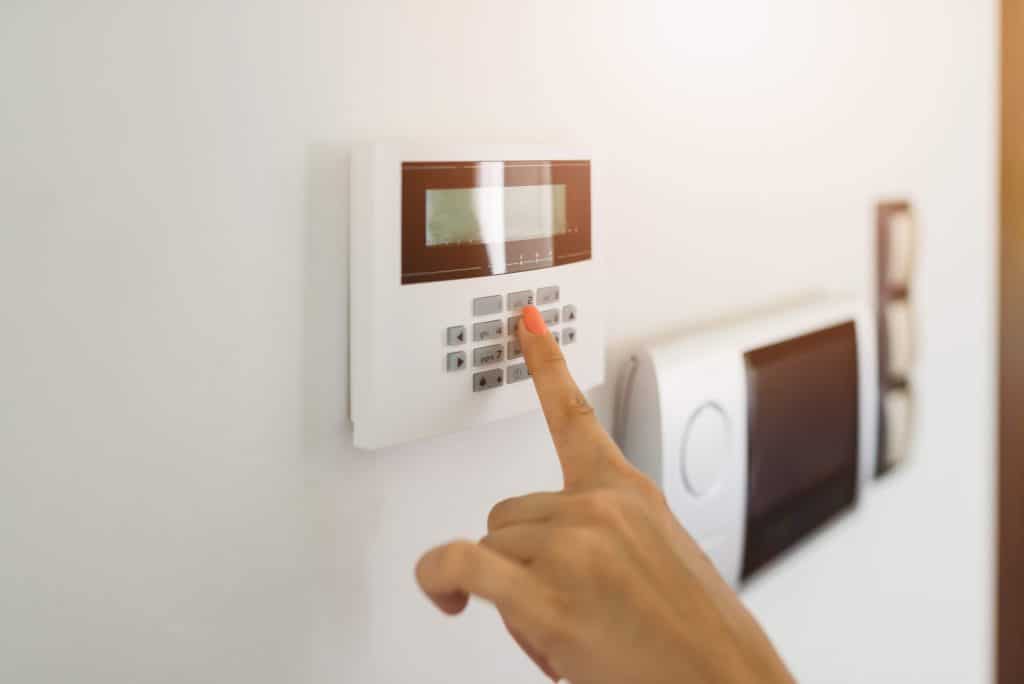
If you’re thinking about getting a burglar alarm for your home, or you’ve already got one and want to understand it better, you’re not alone. Most people want to feel safe where they live, but it’s not always clear what these systems actually do or how they work day to day. The truth is, burglar alarms are more straightforward than you might expect—and knowing how they work helps you choose one that really fits your home and routine.
This guide will walk you through everything step by step. No technical waffle, no pressure to buy anything. Just a clear explanation of how a burglar alarm works, what it does, and how it keeps your home protected.
What is a Burglar Alarm, and Why Should You Understand It?
A burglar alarm is a security system designed to detect when someone tries to enter your home without permission. Once triggered, the alarm usually makes a loud noise, sends an alert, or both. It’s not just about the noise—it’s about awareness and action. The goal is to scare off intruders and make sure you (or someone else) is alerted quickly.
Understanding how your burglar alarm works isn’t just about curiosity. It helps you feel in control. You’ll know how to use it properly, what the different parts are for, and when something might need attention. It also means you’re more likely to pick the right system from the start, whether that’s wireless, monitored, or something else.
What’s the Basic Idea Behind a Burglar Alarm?
At its core, a burglar alarm is there to detect movement or unauthorised access. When someone opens a door, walks past a sensor, or tampers with a device, the system knows. It reacts instantly by triggering a siren or sending an alert to your phone or monitoring centre, depending on how it’s set up.
Most alarms have zones or areas—like your front door, lounge, or upstairs hallway. You can set the system to monitor just some zones when you’re home, and all of them when you’re out. That flexibility makes it much easier to use day to day.
So, in a nutshell, here’s what it does:
- Detects when someone tries to break in
- Sends an alert or sounds a loud alarm
- Lets you know exactly where the problem is
- Can notify you wherever you are
- Helps deter crime before it even starts
What Are the Main Parts of a Burglar Alarm System?
A modern burglar alarm is made up of a few simple but smart parts. Each one plays a role in protecting your home, and once you understand them, the system as a whole makes a lot more sense.
- Control Panel: This is the brain of your alarm system. It connects all the devices and processes what they tell it. It’s usually installed in a cupboard or hidden space and can be programmed to fit your home’s layout.
- Sensors: You’ll have different types—like door contacts or motion detectors. Door sensors let the system know when someone opens an entry point. Motion sensors detect movement in a room, usually using infrared technology.
- Siren/Alarm: This is the bit everyone notices when it goes off. The internal alarm sounds inside your home, and if you’ve got an external one, it’ll go off outside too—alerting neighbours or passers-by.
- Keypads or Fobs: These let you arm or disarm the system easily. You’ll usually have a keypad by your front door or another main entry point. Keyfobs work like a remote and are handy if you want to control the system from outside the house.
- App/Smartphone Access: Many modern systems come with mobile apps. You can arm or disarm the alarm from your phone, get alerts, and even check which zones are active—all while you’re out and about.
How Does Everything Work Together?
Once everything’s installed, the devices all talk to each other—either through cables (wired) or via secure signals (wireless). The sensors send signals back to the control panel when something changes, like a door opening or movement being detected.
If the system’s armed and one of those signals is unexpected, it’ll trigger an alert. That alert can go a few different ways depending on your setup. It might:
- Set off the siren inside and outside
- Send you a notification through your phone
- Contact a professional monitoring service
If you’re nearby, that loud siren alone can be enough to stop someone in their tracks. If you’re away, getting the alert to your phone means you can act straight away, whether that’s calling a neighbour or checking your cameras if you’ve got them.
What Kinds of Triggers Set Off a Burglar Alarm?
There are three main ways a burglar alarm detects a problem:
- Movement: This is picked up by motion sensors, often in hallways or lounges. These sensors use infrared to notice body heat moving across a space.
- Entry: Door or window contacts use magnets to sense when something opens. If a door is forced open while the system’s active, the control panel gets alerted straight away.
- Tamper Protection: If someone tries to remove or damage part of the system—like pulling a sensor off the wall or cutting a wire—the system will know and can trigger an alert or alarm instantly.
These triggers work in combination, which gives you fuller coverage across your home.
How Do You Arm and Use the System Day to Day?
When you leave the house, you’ll usually set the system using a keypad or fob. You can also do it on your phone if the system supports that. Once armed, the system watches over the areas you’ve set—like doors, windows, or main living spaces.
When you come back in, you disarm it within a short window using your code, fob, or app. Some systems will send you a reminder if you forget to arm it when you leave, which is useful if you’re in a rush.
If you’re staying in, you can put the system in “stay” mode, which arms the downstairs or entry points only, letting you move freely upstairs. Once you get used to using the system every day, it becomes second nature.
What’s the Difference Between Monitored and Unmonitored Systems?
Unmonitored systems are stand-alone setups. If the alarm goes off, the siren sounds and you might get an alert to your phone, but it’s up to you or someone nearby to respond. This can work well for smaller homes or if you’re nearly always around.
Monitored systems go a step further. When something happens, the signal goes to a monitoring centre. Trained staff then check what’s going on and respond based on your instructions. That might include:
- Calling you to check if it’s real
- Contacting a keyholder
- Calling the police if needed
Monitored systems cost more, but they’re worth it if you’re often away, have a second property, or just want that extra peace of mind.
Why Does It Matter to Know How It Works?
Once you understand how a burglar alarm works, you’re in a much stronger position to choose one that suits you. It’s not about spending more—it’s about getting something that actually fits how you live.
It also helps you:
- Use the system confidently, without second-guessing yourself
- Spot issues early—like a sensor not responding or low battery warnings
- Talk to your installer in plain terms about what you want
Knowing how everything fits together makes you feel more in control. It turns your alarm from a box on the wall into a system you can trust.
So, Is It Complicated to Own a Burglar Alarm?
Not at all. In fact, most people say the same thing after getting one: “Why didn’t I do this sooner?” The key is choosing a system that works with your home and lifestyle—not against it.
Once it’s set up, it becomes part of your daily routine, like locking the door or turning off the lights. You don’t have to think about it constantly, but you know it’s always there, keeping things secure.
Final Thoughts: Making the Right Choice for Your Home
Now that you’ve got a clearer picture of how burglar alarms work, you’re in a better position to decide what’s right for your space. You might go for a simple wireless system that you control from your phone, or you might want a fully monitored setup that covers every corner of your home. Either way, the point is to make your home feel safer—without making your life more complicated.
If you’re just starting to look, take your time. Think about how you use your space, what level of cover you’re after, and whether you want to be alerted directly or leave that to a monitoring team. And remember: the best system isn’t always the most expensive—it’s the one that works for you.
Cctv Systems Sowerby Bridge – Cctv Systems Keighley – Wifi Services Harrogate