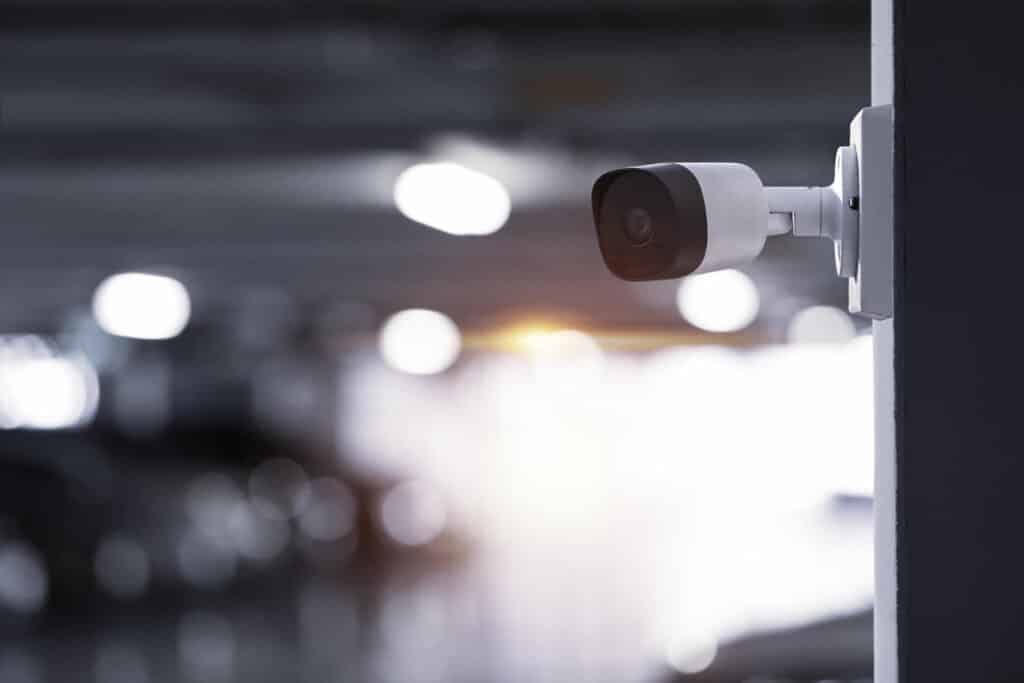

If you’re thinking about installing CCTV at home, knowing where to place the cameras is just as important as choosing the cameras themselves. Even the most advanced system won’t protect your property properly if the cameras are positioned poorly. Gaps in coverage, blind spots, glare, and incorrect angles can all reduce effectiveness and leave vulnerabilities you didn’t realise were there.
This guide walks you through the best places to install CCTV cameras around your home, explains why those locations matter, and helps you understand how professional placement improves security, evidence quality, and peace of mind.
Why Camera Placement Matters More Than Camera Quality
Many homeowners focus on resolution, night vision, or smart features when choosing CCTV. While these things are important, placement has a bigger impact on real-world results. A correctly positioned camera captures clear, usable footage that identifies faces, actions, and movement. A poorly positioned camera often records shadows, glare, or irrelevant angles that don’t actually help when something goes wrong.
Good placement deters intruders before a crime happens. Visible cameras in the right locations signal that your home is protected and monitored. Poor placement, on the other hand, can leave obvious entry points unprotected, which experienced burglars notice immediately.
Front of the Property: Your First Line of Defence
The front of your home is one of the most important areas to cover. It’s where visitors approach, deliveries arrive, and potential intruders often assess the property. A camera covering the front provides both deterrence and evidence.
The ideal position is usually above the front door, angled slightly downward to capture faces rather than just the tops of heads. This angle allows you to see who approaches, how long they stay, and what they interact with. It also reduces the chance of glare from sunlight or street lighting.
Positioning matters here. Cameras mounted too high lose facial detail. Cameras mounted too low are easier to tamper with. A balanced height provides clear footage while keeping the device out of easy reach.
Driveways and Parking Areas
If you have a driveway, this is another high-priority location. Vehicles are valuable targets, and driveways often provide a clear route toward the home. A camera covering this area helps monitor arrivals and departures, captures number plates, and records suspicious behaviour around vehicles.
Driveway cameras work best when angled slightly across the space rather than pointing straight down the drive. This reduces glare from headlights and improves the chances of capturing usable footage at night. If vehicles park close to the house, positioning the camera under the eaves or roofline often gives the best balance of coverage and protection from weather.
Side Access and Pathways
Many break-ins happen through side access points rather than the front door. Side paths, alleyways, and gates are often hidden from view and provide cover for intruders. These areas are frequently overlooked when homeowners install CCTV, making them a common weak spot.
A camera positioned to cover side access should focus on movement rather than wide scenic views. The goal is to record anyone entering or leaving that space. Good lighting is important here, as side paths can be dark at night. Cameras with strong night vision or motion-activated lighting perform particularly well in these locations.
Back Doors and Garden Areas
Back doors are one of the most targeted entry points for burglars. They’re usually less visible from the street and easier to approach unnoticed. Installing a CCTV camera that covers the rear of the property adds critical protection.
Back garden cameras should be positioned to capture entry points rather than the entire garden. Doors, patio access, and low fences are the most important areas. Pointing a camera too widely can reduce detail and make footage less useful if something happens.
If your garden is large, one well-placed camera focused on access points is usually more effective than several poorly positioned ones.
Garage Doors and Outbuildings
Garages, sheds, and outbuildings often contain expensive tools, bikes, and equipment. They’re also commonly targeted because they’re perceived as lower-risk areas. A camera covering garage access provides valuable protection and helps deter opportunistic theft.
Garage cameras should focus on doors rather than interior spaces unless you specifically need internal monitoring. External placement usually offers better deterrence and captures activity before access is gained.
Indoor Cameras: When and Where They Make Sense
Indoor cameras aren’t essential for every home, but they can add an extra layer of protection. They’re particularly useful near entry points such as hallways, staircases, or rooms that lead directly from doors or garages.
Indoor placement should prioritise privacy. Cameras should never point toward bathrooms or private spaces. Positioning them high in corners allows you to capture movement without being intrusive. Indoor cameras also provide valuable evidence if an intruder gains access despite external security.
Height and Angle: Small Adjustments, Big Difference
Camera height plays a major role in footage quality. Too high, and you lose facial detail. Too low, and the camera becomes vulnerable to tampering. In most cases, mounting cameras around 2.5 to 3 metres from the ground provides the best balance.
Angles should be adjusted to avoid direct sunlight, reflective surfaces, and strong light sources. Even a slight tilt can dramatically improve clarity. Professional installers often fine-tune angles after installation to ensure footage remains usable in different lighting conditions.
Lighting and Night-Time Performance
CCTV cameras rely heavily on lighting conditions. Poor lighting reduces image quality, especially at night. Positioning cameras near existing light sources can improve results, but lights should not shine directly into the lens.
Infrared night vision works best when cameras aren’t blocked by walls, foliage, or reflective surfaces. Positioning cameras too close to walls can cause infrared light to bounce back, resulting in washed-out images. A small amount of space between the camera and surrounding surfaces improves night-time clarity significantly.
Avoiding Common CCTV Placement Mistakes
One common mistake is placing cameras too high and wide, capturing scenery instead of detail. Another is pointing cameras directly into the sun or reflective windows, which causes glare and unusable footage. Mounting cameras without considering privacy boundaries can also lead to legal or neighbour disputes.
Cameras should always be positioned with a clear purpose. Every camera should answer a question: what area am I protecting, and what evidence do I need if something happens?
Looking for CCTV installers near you? Get in touch now!
Legal Considerations When Placing CCTV
In the UK, homeowners are allowed to install CCTV on their property, but placement must respect privacy laws. Cameras should not record beyond your property boundaries without justification. If neighbouring areas are visible, you may need to adjust angles or use privacy masking.
Clear signage informing people that CCTV is in use is recommended and often required when cameras capture public areas. Proper placement helps avoid complaints and ensures your system complies with data protection guidelines.
How Professionals Decide Where to Place Cameras
Professional installers don’t guess. They assess entry points, sight lines, lighting, and property layout before deciding on camera locations. They think like an intruder, identifying the easiest routes into the property and the areas most likely to be targeted.
They also consider future needs. A system installed properly from the start is easier to expand, maintain, and upgrade. Correct placement reduces false alerts and ensures the footage you capture is genuinely useful.
Tailoring CCTV Placement to Your Home
No two homes are the same. A detached house, a semi-detached property, and a flat all require different approaches. Garden size, number of entrances, lighting, and surrounding environment all influence where cameras should go.
The best CCTV setup is one that matches your property’s layout and your personal security concerns, rather than copying a generic template.
Final Thoughts
Installing CCTV is one of the most effective ways to protect your home, but camera placement determines how well it works. By focusing on key entry points, adjusting height and angles carefully, and considering lighting and privacy, you can create a system that deters crime and captures clear, usable evidence if needed.
Well-placed CCTV provides reassurance, visibility, and confidence that your home is protected around the clock. If you’re investing in security, taking the time to get placement right makes all the difference.
Cctv Systems Knaresborough – Wifi Services Halifax – Wifi Services Harrogate