
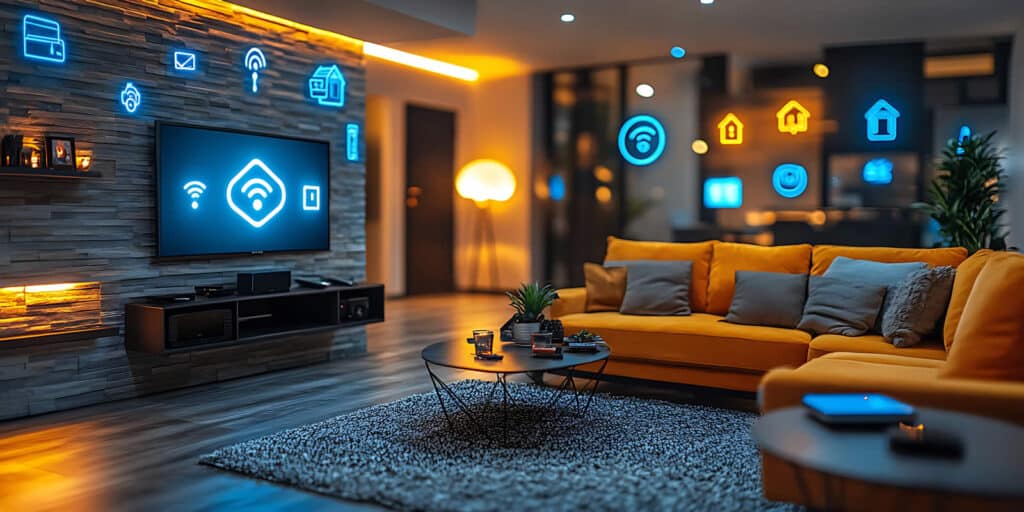
You have probably seen smart home devices mentioned everywhere, and at first it can feel like one more layer of technology you need to understand before you can use it. In reality, it is much simpler than that. Smart home devices are just everyday items that respond to you in a more direct way, helping you reduce small tasks, avoid repeated actions, and feel more in control of what is happening in your home without constantly thinking about it.
Instead of trying to learn everything at once, it helps to think about how these devices fit into your day. You are not changing how you live, you are just removing small bits of effort. That shift is what makes the whole idea easier to grasp, because you are not adding complexity, you are taking it away.
What are smart home devices and why do people use them?
A smart home device is any household item that connects to the internet and allows you to control it remotely or set it to respond automatically based on your routine. That might sound technical at first, but the experience is very straightforward. You open an app, you press a button, or you speak a command, and something in your home responds almost instantly.
People do not install these devices because they want more technology in their lives, they install them because they want fewer interruptions. You stop wondering whether you left something on, you stop walking back into rooms to check things, and you stop repeating the same small actions throughout the day. Over time, those small changes make your home feel easier to manage.
How do smart home devices actually fit into your day?
You do not need to build a completely new routine for smart devices to work. They fit into what you already do, and they quietly support it in the background. When you wake up, your heating can already be set to a comfortable level without you touching the thermostat. When you move through your home, your lighting can adjust without you reaching for switches. When you leave, everything can switch off automatically without you going room to room.
What makes this useful is not one single action, but the way everything connects together. You are not managing each device individually, you are letting your home respond to you in a way that feels natural. It reduces the need to think about small details, and that is where the real benefit starts to build.
What kinds of smart home devices are people actually using?
Most people begin with a few key areas that make an immediate difference, rather than trying to install everything at once. Lighting is often the first step because it is simple to control and easy to understand. You can adjust brightness, change schedules, or switch lights on and off from your phone without needing to move around the house.
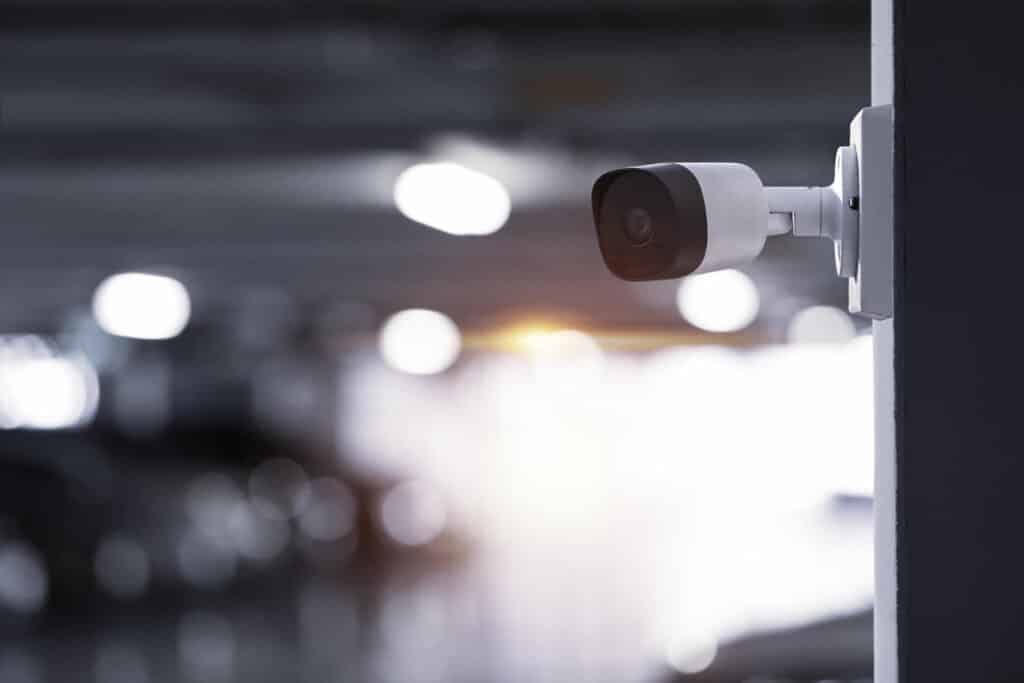
Heating is another common starting point because it directly affects comfort. A smart thermostat learns your routine over time and adjusts temperatures to match it, so you are not constantly making manual changes. Security devices such as cameras, alarms, and doorbells are also widely used because they give you visibility when you are not at home, which adds a layer of reassurance that is difficult to achieve otherwise.
Beyond that, smaller additions like smart plugs and speakers help tie everything together, allowing you to control multiple devices from one place. You do not need to install everything at once, and in most cases it works better if you do not. Starting small allows you to understand what actually improves your day.
Why do smart home devices make everyday life easier?
When you look closely at your daily routine, you will notice how many small actions you repeat without thinking about them. You turn lights on and off, you adjust heating throughout the day, you check doors before leaving, and you switch appliances off when you remember. None of these tasks are difficult, but they interrupt your focus and take your attention away from other things.
Smart devices reduce that repetition by allowing you to set rules once and let them run automatically. Instead of reacting to each situation, your home responds for you. You make fewer decisions, you move through your space more smoothly, and you spend less time dealing with small tasks that do not really need your attention.
Do smart home devices actually help with security?
Security is one of the strongest reasons people choose smart devices, because it changes how you feel about your home when you are not there. Instead of relying on guesswork, you have direct access to what is happening. Cameras allow you to check in instantly, doorbells show you who is outside, and alarms notify you if something unusual occurs.
This creates a sense of awareness that you do not get from traditional systems. You are not waiting to find out if something has happened, you are seeing it as it happens. That shift gives you more control and reduces uncertainty, which is often the main concern when you think about home security.
Can smart home devices reduce your energy bills?
Energy use often goes unnoticed because it builds up through small habits rather than one large action. Heating can run longer than needed, lights can stay on in empty rooms, and devices can continue using power even when they are not actively in use. These are easy things to miss because they happen in the background.
Smart devices help you manage this without constant effort. Your heating adjusts based on when you are home, your lighting switches off when rooms are empty, and your plugs cut power when nothing is being used. You are not actively managing every detail, but the system is still working in your favour. Over time, those small changes can lead to a noticeable reduction in energy use.
Are smart home devices difficult to set up?
For most people, the setup process is simpler than expected. Many devices are designed so you can plug them in, connect them to your WiFi, and follow a few steps in an app to get started. That is often enough to have a working system without needing any technical experience.
If you want a more advanced setup, especially for larger properties or integrated security systems, professional installation can help make everything run smoothly. However, you do not need to start at that level. You can begin with one device, understand how it works, and then expand when it feels right.
Do you need everything connected at once?
It is easy to assume that a smart home needs to be built all at once, but that approach often leads to unnecessary cost and complexity. In reality, you only need to start with something that solves a problem you already have. That might be security, comfort, or convenience.
Once you see how one device fits into your routine, adding more becomes a gradual process rather than a large upfront decision. This keeps things simple and helps you avoid buying features you may not use.
How do smart home devices work together?
As you add more devices, they can begin to interact in ways that reduce the need for manual control. For example, when you leave your home, your lights can switch off, your heating can adjust, and your security system can activate at the same time. Instead of managing each one separately, you create a single action that handles everything.
This is where the system starts to feel connected rather than fragmented. You are no longer thinking about individual devices, you are thinking about how your home responds as a whole.
What should you think about before buying smart home devices?
Before you start buying anything, it helps to look at your own routine and identify what you would actually like to improve. This might be reducing energy use, improving security, or simply making everyday tasks feel easier. Once you know that, you can choose devices that directly address those needs rather than trying to cover everything at once.
Compatibility is also important because devices should work together without creating extra steps. A simple system that works smoothly will always feel better than a complex setup that requires constant adjustment.
Final thoughts: what do smart home devices really give you?
At a basic level, smart home devices give you control over your home from wherever you are, but the real benefit goes deeper than that. They reduce the number of small decisions you need to make, they increase your awareness of what is happening, and they allow your home to respond to your routine instead of the other way around.
You are not adding complexity to your life, you are removing small points of friction that build up over time. That is what makes the idea of a smart home feel worthwhile, because it is not about the technology itself, it is about how your smart home works for you on a daily basis.
Looking for a smart home setup? If so, get in touch with We Fit Home Tech today!
Cctv Systems Harrogate – Cctv Systems Ilkley – Cctv Systems Ripon