
Home security has changed dramatically over the last few years. Where once a basic alarm and a lock on the door felt enough, many homeowners now want visibility, control, and reassurance wherever they are. That’s why CCTV systems and video doorbells have become so popular. Both promise better awareness of what’s happening around your home, but they serve slightly different purposes.
If you’re trying to decide between CCTV and a video doorbell, the choice isn’t always obvious. Each option has strengths, limitations, and ideal use cases depending on your property, lifestyle, and security concerns. This guide breaks down the real differences, explains how each system works in everyday situations, and helps you decide which solution offers the best protection for your home.
What CCTV Systems Are Designed to Do
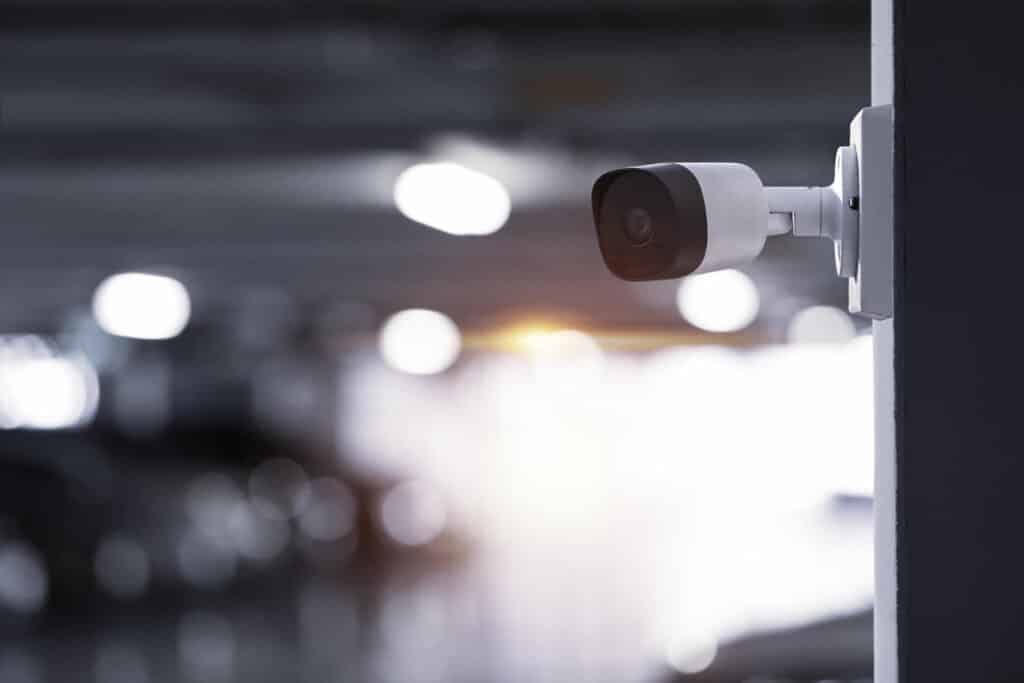
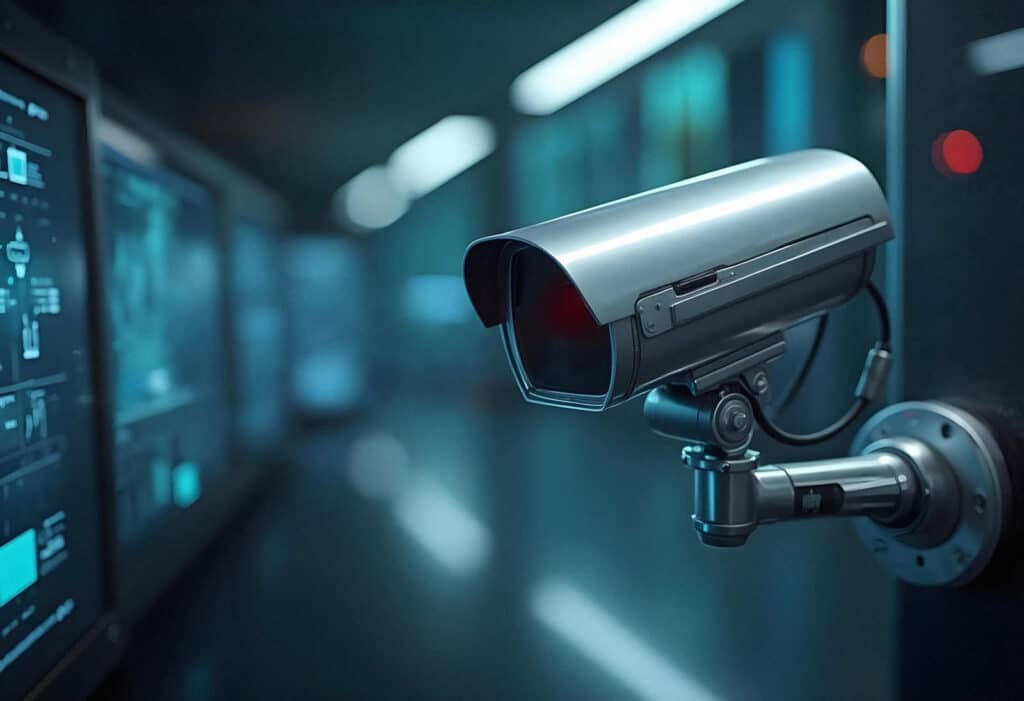
CCTV systems are built to monitor wider areas around a property. They usually consist of multiple cameras positioned strategically around the home, connected to a recording system that stores footage continuously or when motion is detected. The primary purpose of CCTV is visibility and deterrence.
Well-placed CCTV cameras allow you to see what’s happening at your front door, side access, driveway, garden, and other vulnerable areas. They provide a constant presence that makes intruders think twice before approaching. If something does happen, CCTV footage can be reviewed to understand events clearly and provide evidence.
CCTV is especially effective for properties with multiple entry points, larger gardens, driveways, or outbuildings. It creates a broad security net rather than focusing on one single location.
What Video Doorbells Are Designed to Do
Video doorbells focus on one very specific area: your front door. They combine a camera, microphone, speaker, and motion detection into a single device that lets you see and speak to visitors remotely. When someone approaches or presses the doorbell, you receive a notification on your phone and can view a live video feed.
Video doorbells are designed for convenience as much as security. They’re ideal for checking deliveries, screening visitors, and seeing who’s at your door when you’re not home. Many homeowners value the ability to interact with delivery drivers or unexpected callers from anywhere.
However, because they only cover the front entrance, their security coverage is much narrower than a full CCTV system.
Looking for CCTV Systems? Look no further!
Coverage: The Biggest Difference Between CCTV and Doorbells
Coverage is where CCTV and video doorbells differ most. CCTV systems monitor multiple areas at once. You can cover the front, back, sides, and driveway of your home simultaneously. This makes CCTV far more effective at detecting suspicious behaviour before someone reaches the front door.
Video doorbells, on the other hand, only activate when someone approaches the door area. If an intruder enters via a side gate, rear door, or garden, a doorbell alone won’t capture that activity. For flats or terraced homes with a single main entrance, this may be less of a concern. For larger properties, it becomes a limitation.
If your goal is full-property awareness, CCTV offers a broader, more protective solution.
Deterrence: What Actually Puts Off Intruders
Visible security plays a powerful psychological role. CCTV cameras installed around a home send a clear message that the property is monitored. This alone can discourage opportunistic intruders who prefer easier targets.
Video doorbells provide some deterrence, particularly when they’re clearly visible. However, experienced intruders are aware that doorbells only monitor a small area. They may avoid the front door altogether and approach from elsewhere.
In terms of deterrence, CCTV systems generally have a stronger impact because they suggest wider surveillance and a higher risk of being recorded.
Footage and Evidence Quality
CCTV systems are designed to record footage continuously or whenever motion is detected. This means you can review events before, during, and after an incident. You’re not limited to a single clip triggered by a button press or brief movement.
This makes CCTV footage more useful if you need to understand what happened, identify faces, track movement across the property, or provide evidence to insurers or authorities. The ability to review longer recordings gives context that a short doorbell clip may miss.
Video doorbells usually capture shorter clips focused on activity at the door. While this is often sufficient for parcel theft or visitor verification, it may not provide the wider context needed for more serious incidents.
Day-to-Day Use and Convenience
Video doorbells shine when it comes to daily convenience. They’re simple to use, easy to install, and intuitive for most homeowners. Being able to answer the door remotely, check deliveries, and receive instant alerts feels practical and reassuring.
CCTV systems can also be accessed remotely, but they’re typically used more for monitoring and review rather than interaction. You’re less likely to actively engage with someone through a CCTV camera, especially outdoors.
If convenience and interaction are high priorities, a video doorbell often feels more immediately rewarding.
Installation and Setup Differences
Video doorbells are usually quick to install. Many models are wireless or battery-powered and can be set up without professional help. This makes them appealing to renters or homeowners who want a fast, low-commitment solution.
CCTV systems usually require more planning. Cameras need careful positioning, wiring may be involved, and storage options must be considered. While professional installation takes more time, it ensures cameras are placed correctly, angles are optimised, and the system works reliably long term.
The extra effort with CCTV often pays off in better coverage and performance, especially for larger homes.
Privacy Considerations
Both CCTV systems and video doorbells must be installed responsibly. Cameras should be positioned to focus on your own property and avoid unnecessary recording of neighbours or public areas. Privacy masking and correct angles help prevent issues.
Video doorbells can sometimes capture public pathways or neighbouring entrances, which may require additional consideration. CCTV systems, because they cover wider areas, need careful setup to ensure compliance with privacy guidelines.
When installed correctly, both options can be used legally and respectfully without causing concerns.
Costs and Ongoing Expenses
Video doorbells usually have a lower upfront cost. However, many rely on subscription plans for cloud storage, which adds ongoing monthly fees. Over time, these costs can add up.
CCTV systems may cost more initially, especially with professional installation, but they often rely on local recording rather than subscriptions. Once installed, running costs are typically lower.
When comparing costs, it’s important to consider not just the purchase price but also long-term expenses and system lifespan.
Reliability and Dependence on WiFi
Both systems rely on WiFi, but in different ways. Video doorbells are heavily dependent on a stable WiFi connection for live viewing, alerts, and recordings. If your WiFi is weak near the front door, performance can suffer.
CCTV systems often use wired connections between cameras and the recorder, making them more stable. Even if WiFi drops temporarily, footage can still be recorded locally.
For homes with patchy WiFi, CCTV systems often offer greater reliability.
Which Is Better for Different Types of Homes
For small homes, flats, or properties with a single main entrance, a video doorbell can be an effective and convenient security upgrade. It provides visibility, interaction, and peace of mind without complex installation.
For detached houses, semi-detached homes, or properties with gardens, driveways, or side access, CCTV offers far more comprehensive protection. It addresses security risks beyond the front door and creates a stronger deterrent.
Many homeowners eventually choose to combine both, using a video doorbell for interaction and CCTV for full coverage.
Making the Right Choice for Your Home
The best security solution depends on what you want to protect and how you use your home. If your main concern is knowing who’s at the door and managing deliveries, a video doorbell may be enough. If you want to monitor your entire property and reduce the risk of unnoticed activity, CCTV is the stronger option.
There’s no one-size-fits-all answer. The key is understanding what each system does well and choosing the one that aligns with your priorities.
Final Thoughts
CCTV and video doorbells both improve home security, but they serve different roles. Video doorbells offer convenience, interaction, and focused monitoring at the front door. CCTV systems provide wider coverage, stronger deterrence, and more detailed evidence across your property.
If security is your primary concern, CCTV delivers more comprehensive protection. If convenience and visitor management matter most, a video doorbell fits neatly into everyday life. For many homeowners, combining the two creates the most balanced and effective setup.
Cctv Systems Baildon – Cctv Systems Hebden Bridge – Cctv Systems Colne