
In today’s world, where security concerns are at an all-time high, safeguarding your home or business has become more important than ever. With crime rates on the rise and the increasing need to protect our loved ones and valuable assets, understanding how to enhance your security measures is crucial. Among the various options available, Closed-Circuit Television, commonly known as CCTV, has gained significant popularity as a reliable and effective solution.
CCTV systems offer several benefits, including deterring potential theft, continuously monitoring activities, and providing invaluable peace of mind. However, many people still wonder, “What exactly is CCTV, and how can it meet my specific security needs?” This comprehensive guide aims to answer these questions and more by shedding light on the technology and practical applications of CCTV.
For homeowners, small business owners, and security enthusiasts alike, this guide will serve as a valuable resource in demystifying CCTV technology. We will explore the fundamental components of a CCTV system, such as cameras, recorders, and monitors, and explain how they work together to create a robust security network. Additionally, we will discuss the various types of cameras available, from traditional analogue models to advanced IP cameras, highlighting their unique features and best use cases.
Whether you’re looking to safeguard your home, keep a watchful eye on your business premises, or simply stay informed about the latest advancements in security technology, this guide is designed to equip you with the knowledge and confidence you need. Let’s explore the world of CCTV and discover how it can revolutionise your approach to security.
What is CCTV?
CCTV, or Closed-Circuit Television, is a video surveillance technology that operates on a private network, unlike broadcast television, which is publicly transmitted. CCTV systems consist of video cameras strategically placed to capture footage, which is then sent to specific monitors for viewing. These systems are primarily used to monitor and ensure security in designated areas.
The applications of CCTV are widespread and diverse. In residential settings, homeowners use CCTV to enhance security, deter potential intruders, and monitor activities around their property. In office environments, businesses implement CCTV to safeguard assets, monitor employee activity, and ensure a secure workplace. Retail stores rely on CCTV to prevent theft, monitor customer behaviour, and enhance overall store security. Public spaces, such as streets and parks, use CCTV to maintain public safety, monitor traffic, and deter criminal activities.
CCTV systems have become indispensable tools for security and surveillance, offering peace of mind by providing real-time monitoring and recording capabilities. With advancements in technology, modern CCTV systems offer features such as high-definition video quality, remote access via smartphones or computers, and integration with other security systems, making them more effective and versatile than ever before.
Are you looking for CCTV Systems in Leeds? Get in touch today!
Why is CCTV Important?
- Deterrence of Crime
One of the most compelling reasons to install CCTV is its effectiveness in deterring criminal activity. Visible cameras can discourage potential intruders or vandals from targeting your property. Studies have shown that properties with visible CCTV systems are less likely to be burglarised.
- Real-Time Surveillance
CCTV systems offer the ability to monitor activities in real time. For business owners, this means keeping an eye on employee productivity or customer behaviour. Homeowners can use CCTV to monitor their property’s perimeter, ensuring security at all times.
- Evidence Gathering
In the unfortunate event of a crime, CCTV footage serves as invaluable evidence. High-resolution cameras can capture details such as faces, vehicles, and license plates, providing law enforcement with critical information to solve cases.
- Peace of Mind
Beyond physical security, CCTV provides a sense of safety and control. Knowing that your home or business is under constant watch allows for greater peace of mind, whether you’re on the premises or away.
Components of a CCTV System
Cameras
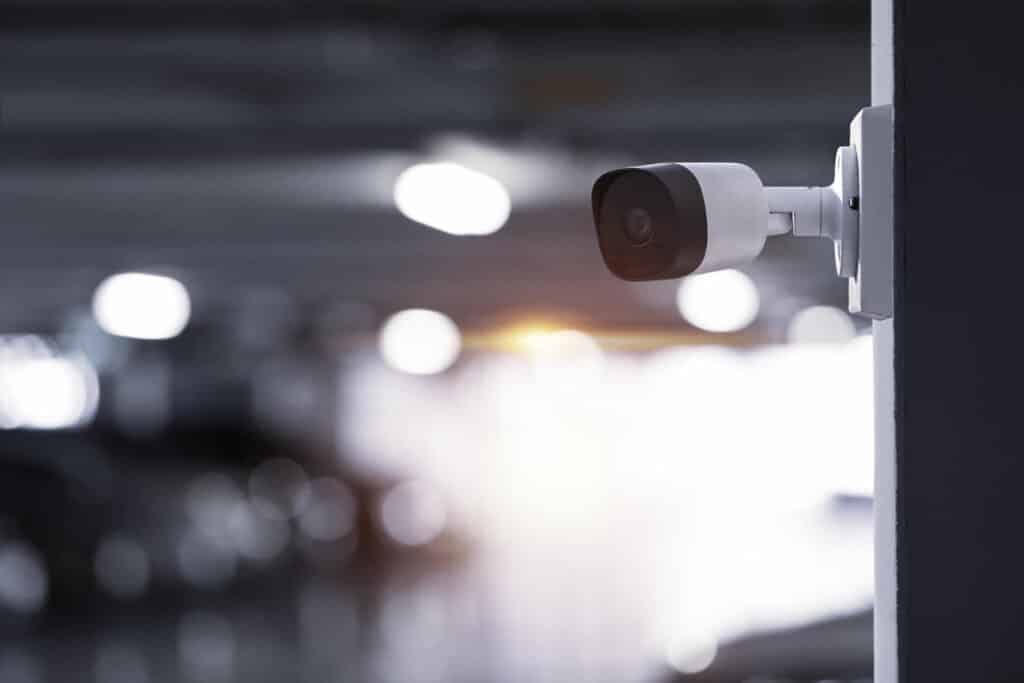
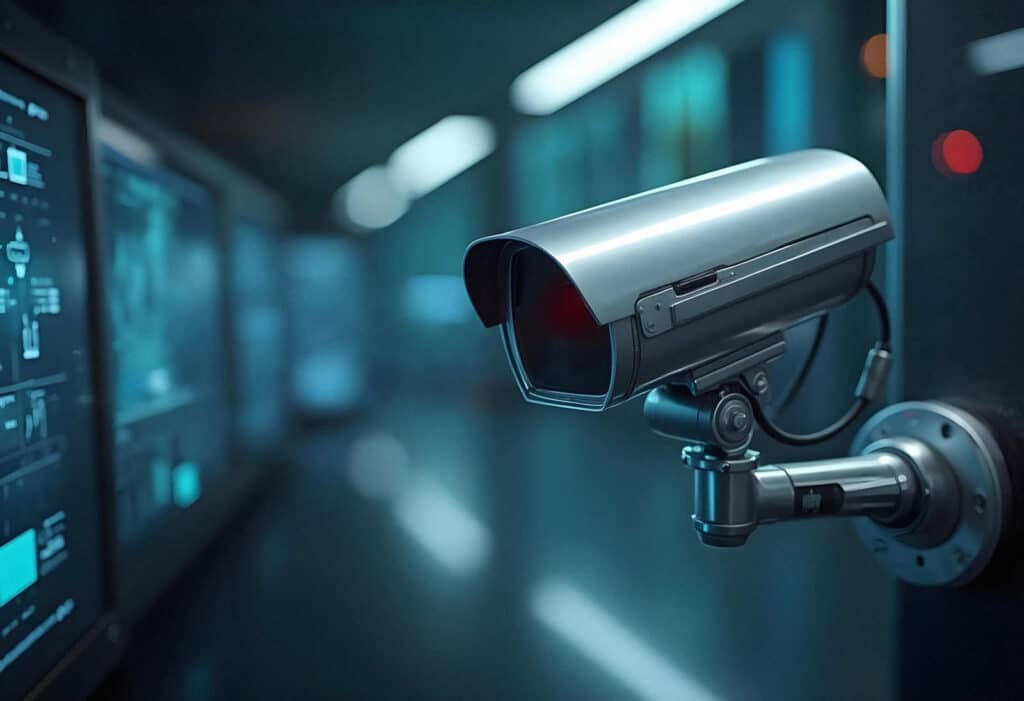
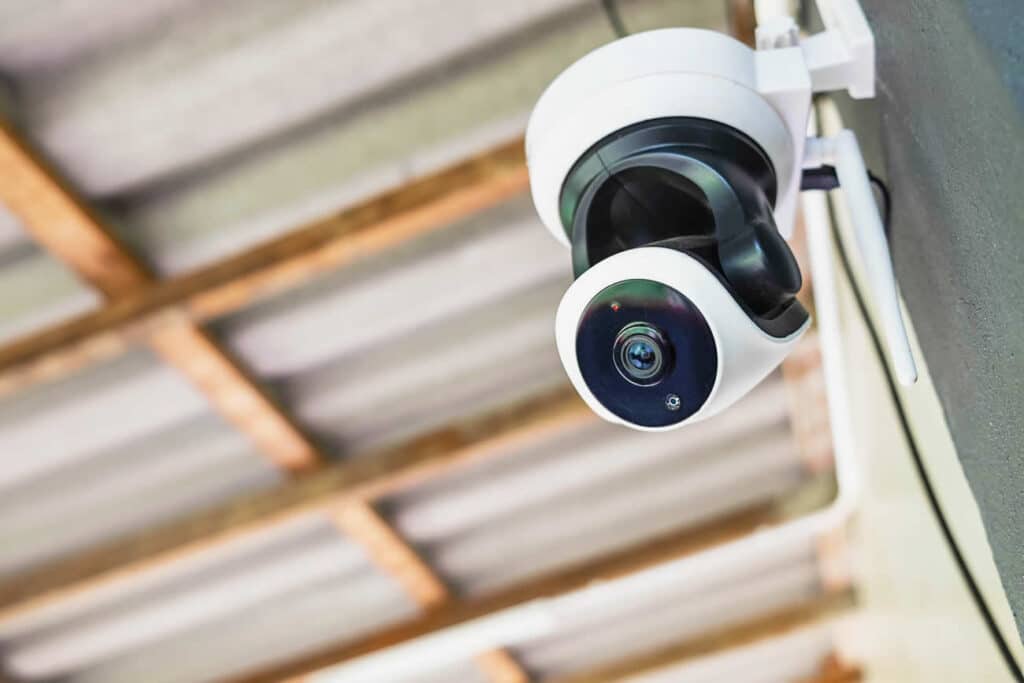
The cameras are the eyes of the system. They come in various types, including dome, bullet, PTZ (pan-tilt-zoom), and more, each suited to different environments and needs. When choosing cameras, consider factors like resolution, field of view, and night vision capabilities.
Recording Device
Footage captured by the cameras is stored on a recording device, typically a DVR (Digital Video Recorder) or NVR (Network Video Recorder). These devices allow you to review footage and store data for future reference.
Monitor
A monitor is essential for viewing live or recorded footage. Many modern systems also offer smartphone or computer access, allowing you to monitor your premises remotely via apps.
Cables and Connectors
These components ensure that video signals are effectively transmitted from the cameras to the recording device and monitor. If you’re setting up a wired system, ensure you have high-quality cables to maintain signal integrity.
Choosing the Right CCTV System
Assess Your Needs
Start by evaluating your specific security needs. Are you securing a home or business? Do you need indoor or outdoor cameras? What areas do you want to cover? A clear understanding of your needs will guide your decision-making process.
Consider Your Budget
CCTV systems can range from basic to advanced, with prices reflecting features and capabilities. Determine your budget early on, and choose a system that provides the best value for your investment.
Choose Quality Over Quantity
While it might be tempting to go for the cheapest option, investing in high-quality equipment can save you headaches in the long run. Look for reputable brands known for durability and reliability.
Professional Installation vs. DIY
Decide whether you want to hire professionals for the installation or tackle it yourself. Professional installation ensures optimal setup and functionality, but a DIY approach can save costs if you’re confident in your abilities.
Tips for Effective CCTV Use
- Optimal Placement: Position cameras at entry points, blind spots, and areas of high value. Ensure they’re out of reach to prevent tampering.
- Regular Maintenance: Check cameras and equipment regularly to ensure they’re functioning correctly.
- Secure Your System: Protect your CCTV system from hacking by using strong passwords and keeping software up to date.
- Respect Privacy: Be mindful of legal and ethical considerations when placing cameras, avoiding infringement on neighbours’ privacy.
Incorporating CCTV into your security strategy offers numerous benefits, from crime deterrence to peace of mind. Whether you’re a homeowner seeking to protect your family or a business owner aiming to safeguard your assets, CCTV provides an effective solution tailored to your needs.
Take the first step toward enhancing your security by evaluating your current setup and considering how CCTV can fill any gaps. For personalised advice on choosing and installing the right CCTV system, reach out to our expert team, and we’ll help you secure what matters most
Are you looking for CCTV Systems in Harrogate? If so, then Wefit Home Tech are your go-to company. Contact us online today or call 0800 056 5177 for a free quote.
Cctv Systems Harrogate – Wifi Services Nelson – Cctv Systems Shipley